Revealing the Untold Truth: Controversial Claims about Steven Spielberg's Lincoln Biopic and the Civil War Battles
Steven Spielberg's Lincoln Biopic: A Balanced Perspective on Historical Accuracy
Summary
Steven Spielberg's Lincoln exaggerates battle scenes, with a Civil War historian rating one scene a 4/10 for historical accuracy.
Despite taking some artistic liberties, Lincoln is widely regarded as a historically accurate depiction of President Lincoln's presidency and the passing of the Thirteenth Amendment. With its emphasis on political maneuvering rather than realistic Civil War battles, the film highlights Daniel Day-Lewis's acclaimed and meticulously researched portrayal of Lincoln.
Steven Spielberg's film Lincoln, released in 2012, is based on the biography "Team of Rivals: The Political Genius of Abraham Lincoln" by Doris Kearns. The movie focuses on the final four months of Lincoln's life and his efforts to abolish slavery through the Thirteenth Amendment. It received critical acclaim, including an Academy Award for Best Actor for Daniel Day-Lewis. However, the film's historical accuracy has been a topic of debate.
In a recent video by Insider, Civil War historian Garry Adelman critiques a scene in the film depicting the Battle of Jenkins' Ferry. Adelman expresses his admiration for the film but criticizes its portrayal of hand-to-hand combat, which was uncommon during the Civil War. He rates the battle scene a 4/10 for its historical accuracy. To learn more, read his full commentary or watch the video below.
How Historically Accurate Is Steven Spielberg's Lincoln Overall?
The Battle of Jenkins' Ferry took place in Arkansas amidst heavy rainfall and flooding. Engaging the enemy under such conditions could prove advantageous, considering their inability to use guns effectively due to wet powder. While there are no documented instances of someone resorting to hand-to-hand combat by grabbing a bayonet, it makes for an impressive spectacle in movies. However, in the Civil War, such close combat was rare as artillery was typically employed, allowing for fighting at a distance. When the enemy approached within ten yards, the instinct was usually to retreat rather than engage in hand-to-hand combat involving club muskets, bayonets, sabers, punching, or kicking. Therefore, the depiction of a wrestling melee in the rain seems exaggerated. Personally, I would rate this scene a four out of ten, as I enjoy the movie overall but find the battle scene unrealistic.
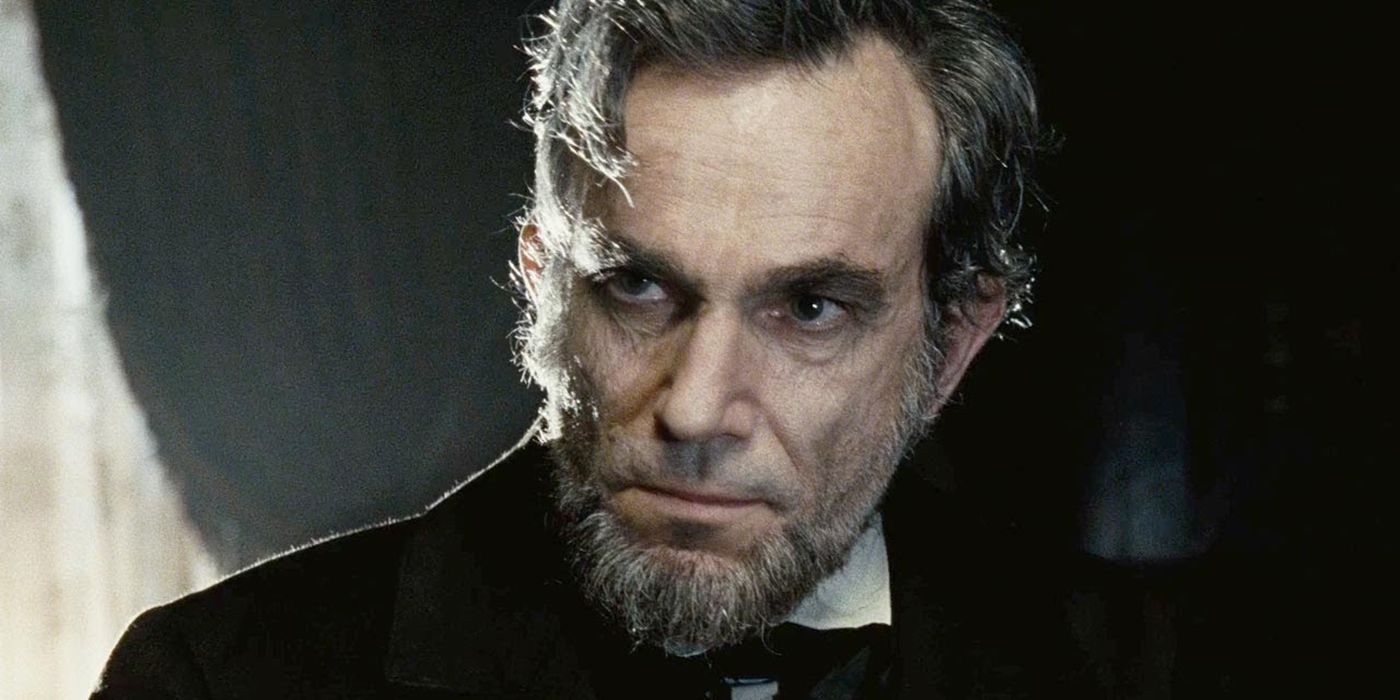
Garry Adelman's assessment of one battle scene in Steven Spielberg's Lincoln does not provide a comprehensive evaluation of the film's overall historical accuracy. Lincoln, as a whole, is widely regarded as a faithful portrayal of the final months of Lincoln's presidency and the events that led to the passage of the Thirteenth Amendment. However, like most historical films, it does take certain creative liberties to enhance storytelling and create a more dramatic impact.
The film primarily focuses on President Lincoln's political maneuvers, which occupy a significant portion of its two-and-a-half-hour runtime. Spielberg's film, intentionally or unintentionally, prioritizes political drama over realistic depictions of Civil War battles, resulting in these scenes lacking historical accuracy in comparison. In fact, the Battle of Jenkins' Ferry, depicted in the movie, is only a minor scene. Another way the film accurately portrays history is through Daniel Day-Lewis' remarkable transformation into Abraham Lincoln. As a renowned method actor, Day-Lewis dedicated an entire year to thoroughly preparing for the role. This involved extensively studying the writings of the former president and visiting historical sites to authentically capture the true essence of Abraham Lincoln. Much like the actor's portrayal, Lincoln is a meticulously researched and highly acclaimed depiction of a crucial period in American history.
Source: Insider