The 1990s Slang Lexicon of Buffy The Vampire Slayer
Unveiling the hidden gems of 1990s slang in Buffy the Vampire Slayer! Dive into the world of Scully, Overshare, Wiggins, and more, as we break down the iconic language that defined the show Delve into the mystical realm of Buffy and her Scooby Gang, and explore the unforgettable lexicon that made this series an instant classic
Summary
Buffy the Vampire Slayer's unique slang resonated with its teenage audience, making the characters more believable and ensuring the show's longevity.
The show's distinctive slang is so memorable that it immediately comes to mind whenever the series is mentioned, even unknowingly. Buffy the Vampire Slayer's exceptional use of slang not only sparks ongoing conversations, but also sets a precedent for inventing new slang.
Critically acclaimed for its well-written characters and storylines, Buffy the Vampire Slayer is also known for its unique slang. This post-modern take on vampire mythology resonated with its teenage audience by incorporating language and references that they could relate to. This not only added believability to the characters, but also contributed to the show's lasting popularity.
Although it has been twenty years since Buffy the Vampire Slayer ended, its influence can still be seen in numerous shows inspired by its style. The show's distinct slang is so memorable that it immediately brings the series to mind whenever someone makes an unintentional reference to the '90s sensation. While slang is constantly changing, Buffy the Vampire Slayer's exceptional use of it continues to spark discussions even long after its conclusion.
10. Scully
9. Overshare
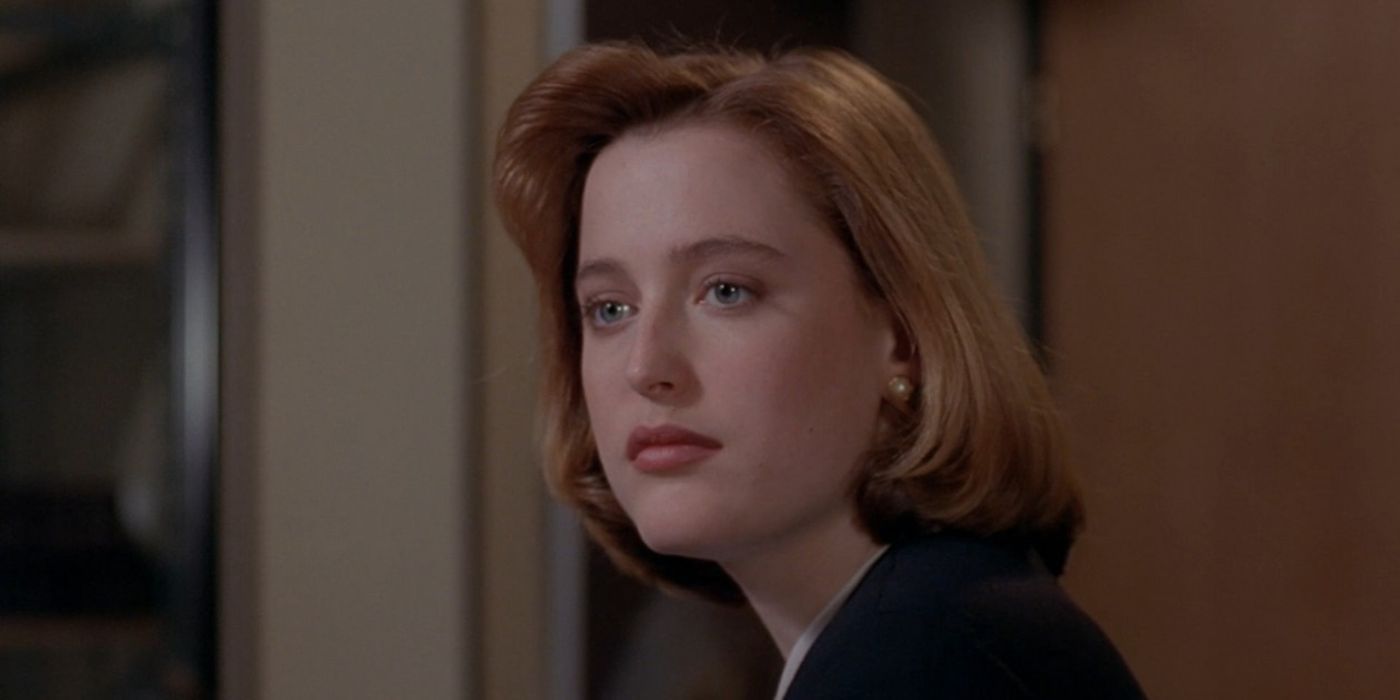
In reference to the X-Files, Buffy and her friends often use the term "Scullied" when faced with skepticism and strong opposition to a proposed theory during a mission. This term became popular because of the character Dana Scully in the X-Files, who is known for being a skeptic and relying on science and data to explain events rather than complex theories and beliefs. The humor in being "Scullied" in Buffy the Vampire Slayer lies in the fact that the show deliberately goes to great lengths to demonstrate to both the characters and the audience that virtually anything can happen and that it is important to have an open mind.
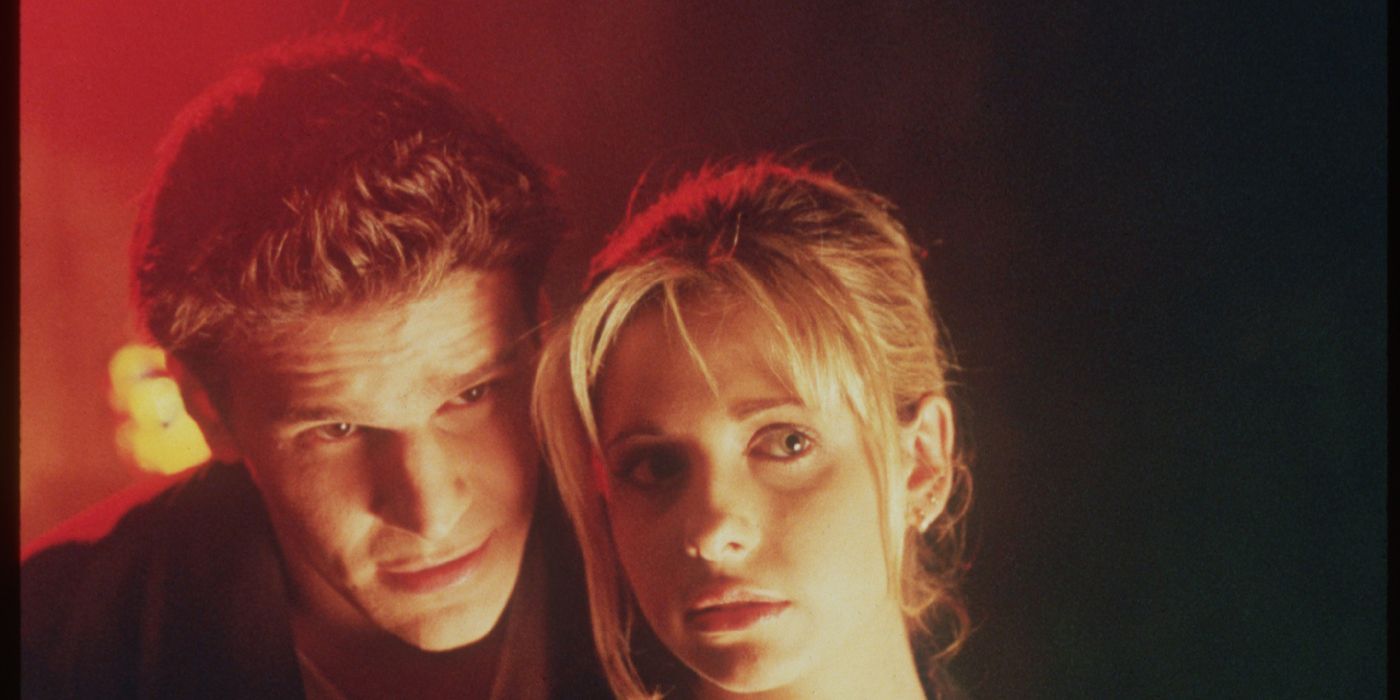
Despite not being coined by Buffy the Vampire Slayer, the series frequently showcased the concept of oversharing, which involves divulging an excessive amount of information. While this may initially appear harmless, it holds significant importance in terms of preserving the integrity of various occurrences in Buffy the Vampire Slayer. Certain situations, such as delicate missions or confidential data, necessitate a degree of discretion. In episode 6 of season 2, titled "Halloween," the beloved character Angel is recognized for his inclination to refrain from oversharing. This approach to sharing information played a significant role in garnering a positive reception from the show's audience.
8. Wiggins
"Wiggins" - or in this instance, "experiencing the wiggins," simply denotes any situation where a member of the Scooby Gang feels uncertain or unsafe about a particular place or entity. Similar to getting the heebie-jeebies, wiggins is also described as someone wigging out, catching a case of the wig, or being wigged. In the ninth episode of the first season, Buffy reveals her unease towards dolls by acknowledging, "They give me the wig. Ever since I was little."
7. Five By Five
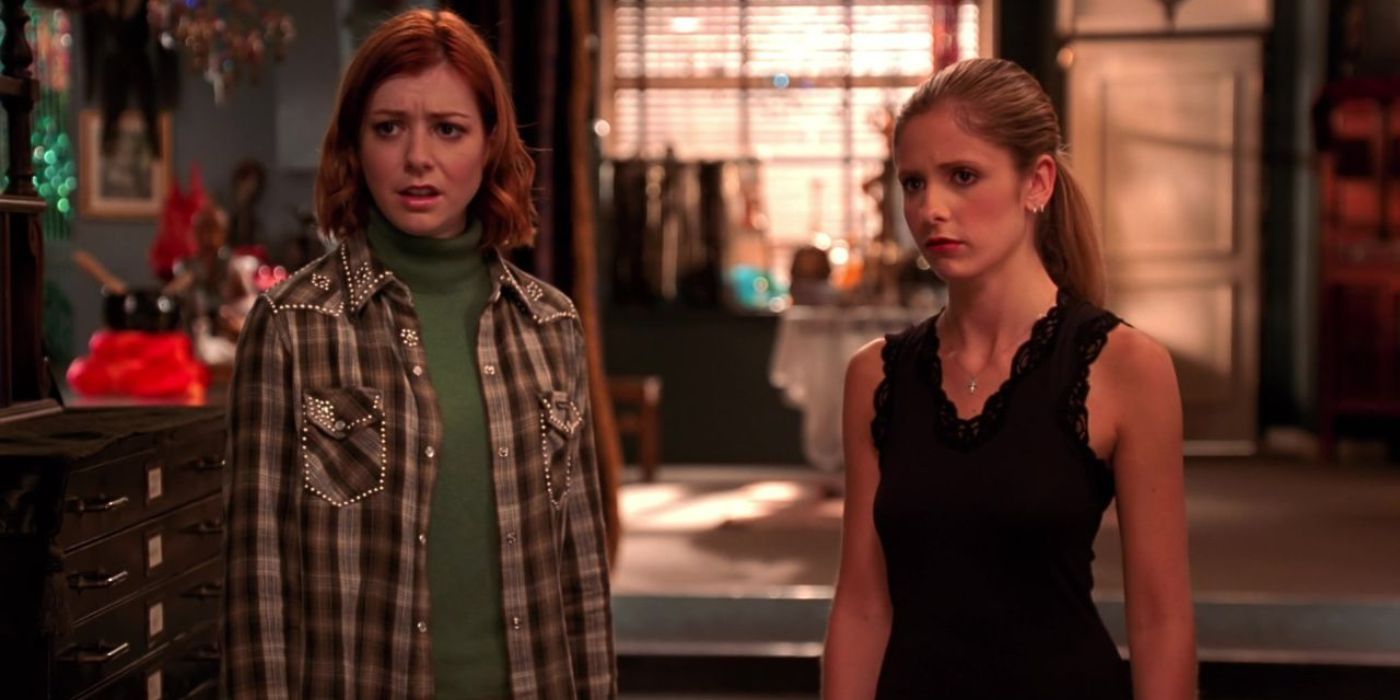
As each season of Buffy the Vampire Slayer unfolded, the introduction of a vast array of diverse slang added to the show's ever-growing popularity. Resembling terminology more commonly heard in a military drama, the characters frequently utilized the phrase "five by five" to signify a state of mind or well-being that is neutral or satisfactory. Instead of simple phrases like "we're good" or "we're even," the characters would affirm their condition to each other by declaring "we're five by five." A particularly amusing illustration of this took place in "Faith, Hope & Trick," when Faith cautions a human-werewolf that they will coexist harmoniously, as long as he refrains from any leg-humping antics.
6. Slayage
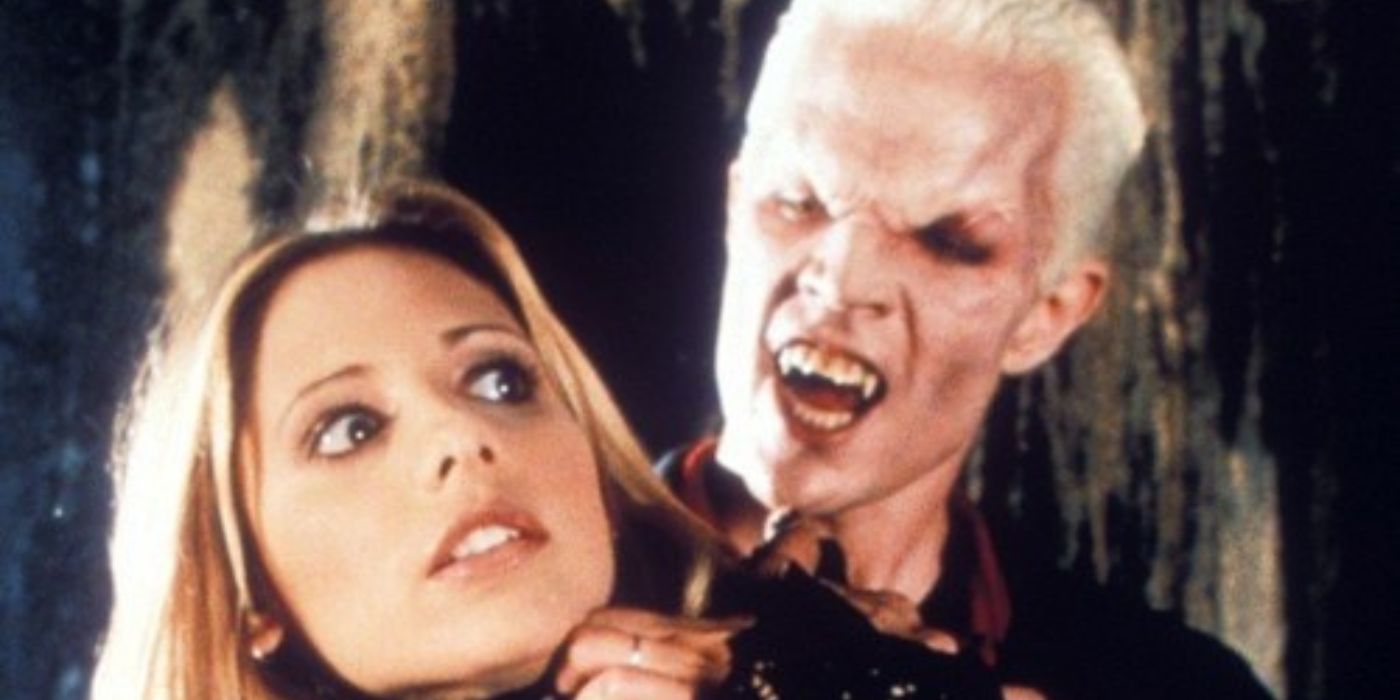
Always an innovator when it came to creating new slang, Buffy the Vampire Slayer's characters had a unique way of referring to defeating enemies as slayage instead of just saying they were killed. This clever choice not only allowed them to bypass any potential censorship, but it also added a layer of distinctiveness to the show. However, the use of the suffix -age wasn't limited to demon and werewolf slaying; it extended to other aspects as well, such as describing a passionate kiss or even a person's fierce personality - in this case, savage. Referred to as Buffyspeak throughout the series, the term slayage strongly resonated with viewers and still remains a part of the show's canon today.
5. What's The Sitch?
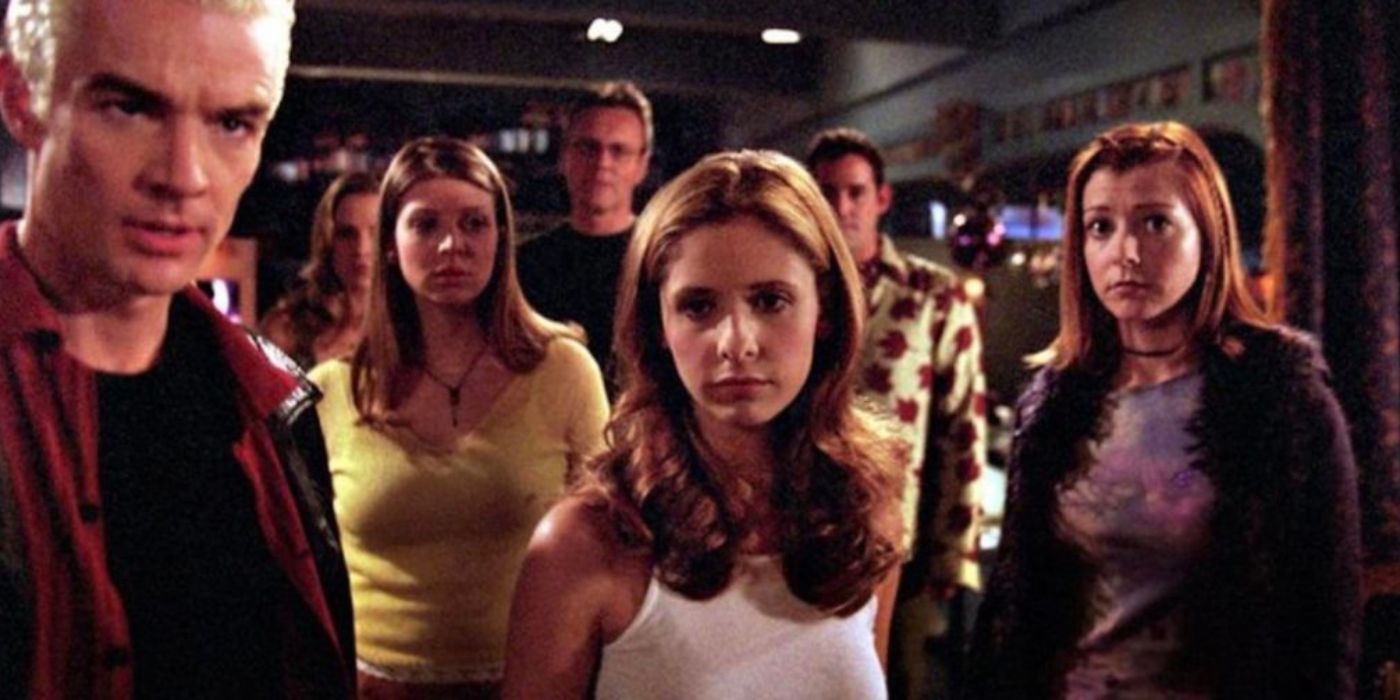
The slang term "sitch," short for "situation," became popular among the characters. They would often ask "What's the sitch?" to gather information about a specific situation, hence the name. Another common way characters used the slang was to say "sitch me," meaning the same thing. The audience could predict that this slang would be used frequently throughout the series, as it was first heard in the opening episode when Xander inquired about the details of Buffy's arrival at their school. This provided a natural introduction to the slang in Buffy the Vampire Slayer, and it continued to be used throughout the show's final seasons.
4. Scooby Gang
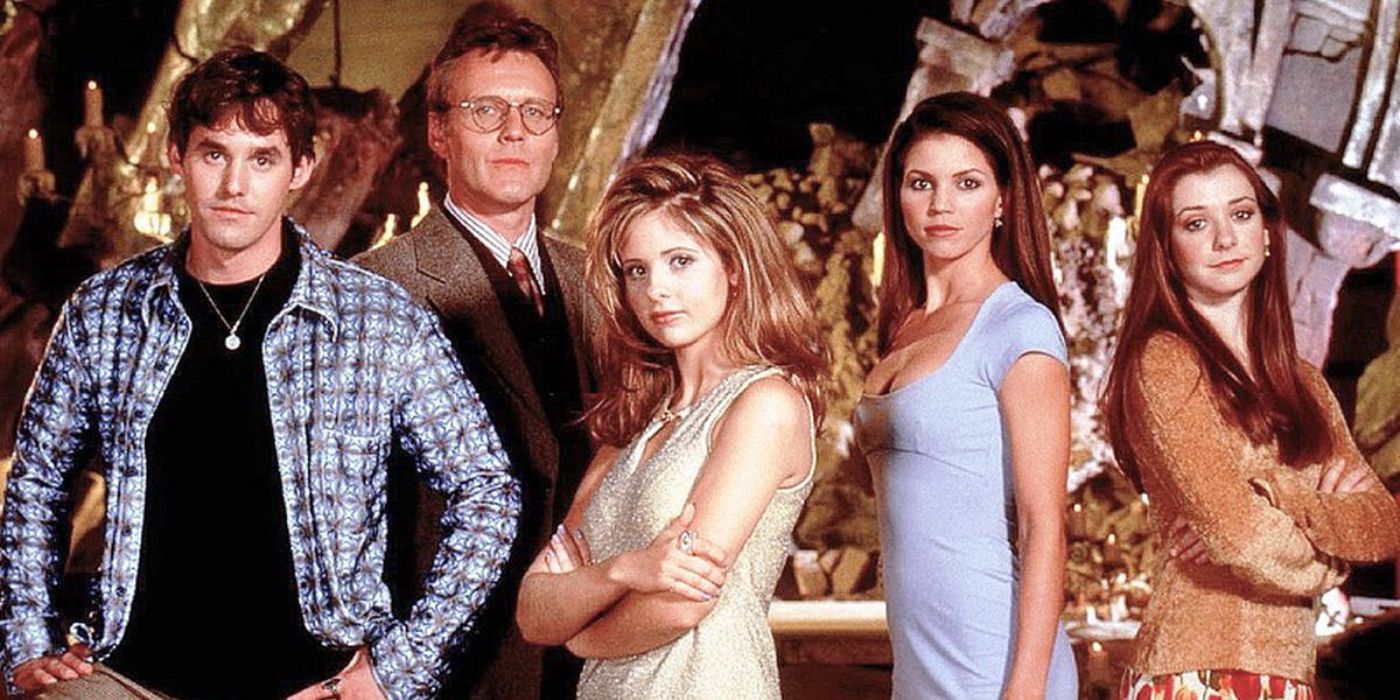
The Scooby Gang, a reference to the beloved Hanna-Barbera cartoon Scooby-Doo, encompasses Buffy and the rest of the principal characters. This catchy moniker effectively establishes the various factions that viewers would come to know throughout the series. Despite the ever-changing lineup, the core values of the group remained intact. The connection to Scooby-Doo took on added significance when Sarah Michelle Geller, the star of the show, was cast as Daphne in the live-action Scooby-Doo film released in 2002.
3. Pointy
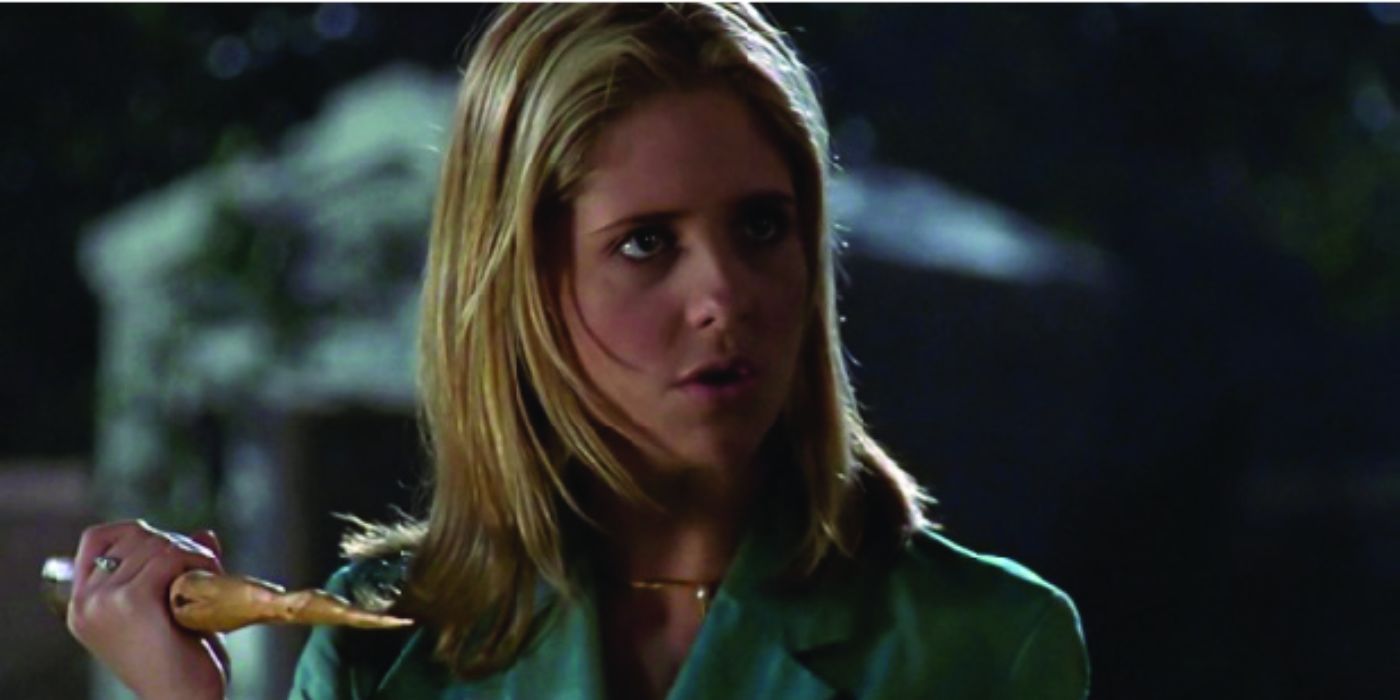
The term "Pointy" was used in the show to describe situations that held significant meaning or purpose. Whenever a character deemed something as meaningless, Buffy or a member of the Scooby Gang would assert that it was, in fact, pointy. This seemingly lighthearted joke served a subtle purpose for Buffy, showcasing her determination and optimism in her vampire-slaying endeavors and contributing to her relatability as a protagonist. Furthermore, she affectionately referred to her preferred stake for vampire slaying as Mr. Pointy throughout the series.
2. Edge Girl

"Edge Girl" is a fresh take on the It Girl archetype, signifying an individual who possesses all the essential qualities and attributes required to prevail in a horrifying scenario. Distinct from the conventional Final Girl tropes commonly seen in horror films and series, the Edge Girl maintains her inherent girl-next-door charisma and characteristics despite frequently finding herself in perilous situations. While there are other leading characters that embody the Edge Girl aesthetic, Buffy Summers undoubtedly stands as the most renowned exemplar.
1. Buffy
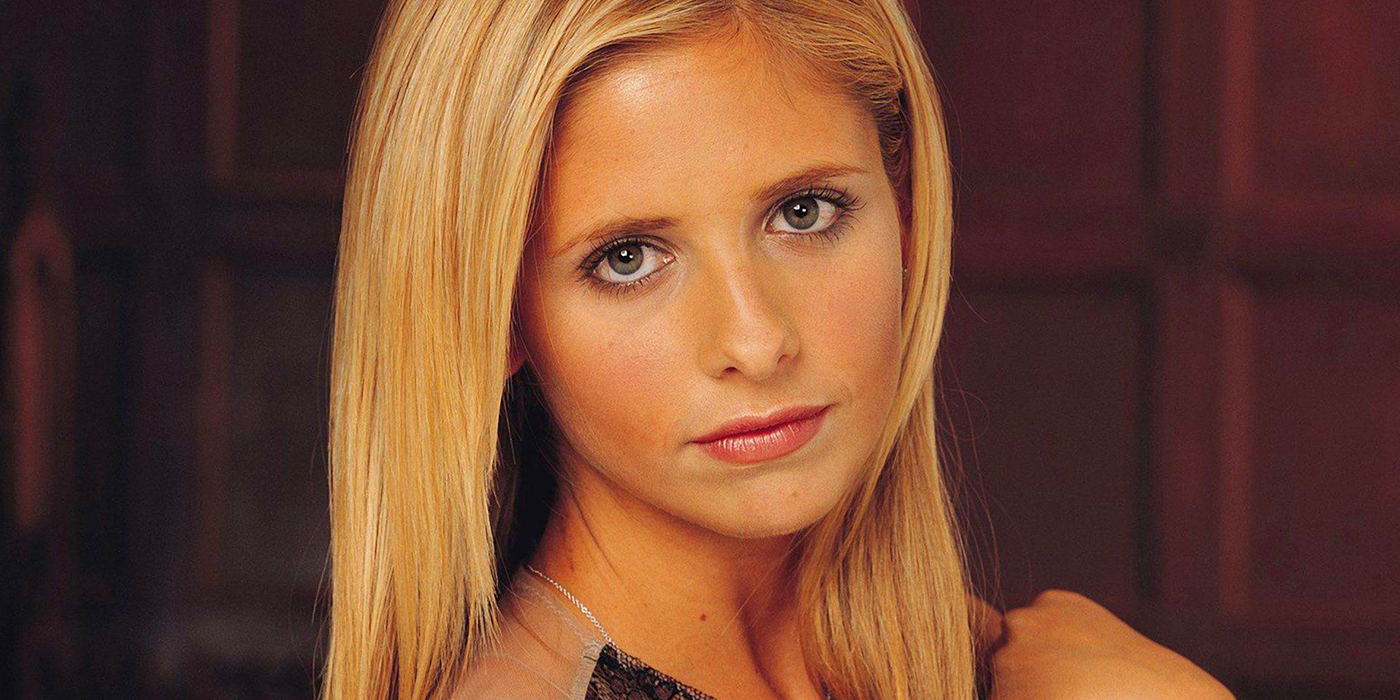
The term "Buffy" is believed to be derived from Buffy Sainte-Marie, a prominent Native Canadian folk singer in the '60s and '70s, whose music often explored dark themes. In the 1992 film "Buffy the Vampire Slayer," the character of Buffy initially portrays a stereotypical cheerleader from the valley, but later discovers her destiny as the chosen one with great potential. While this aspect is not extensively explored in the television series, the 2000 teen comedy "Bring It On" refers to a group of clueless cheerleaders as "a bunch of Buffys." This suggests that "Buffy" could be used as slang for an unintelligent or airheaded individual in other contexts, but within the world of "Buffy the Vampire Slayer," it signifies a powerful slayer of vampires.